
A morning in Delhi and an evening by the Ganga in Rishikesh without the long, exhausting road trip. It sounds like a dream, but it may not stay one for long.
A major push is underway to extend the Namo Bharat Regional Rapid Transit System corridor deeper into Uttarakhand, potentially creating a seamless high-speed connection from Delhi all the way to Haridwar and Rishikesh. The idea gained momentum after Pushkar Singh Dhami raised the proposal in a recent meeting with Manohar Lal Khattar, putting forward a vision that could completely reshape travel in North India.
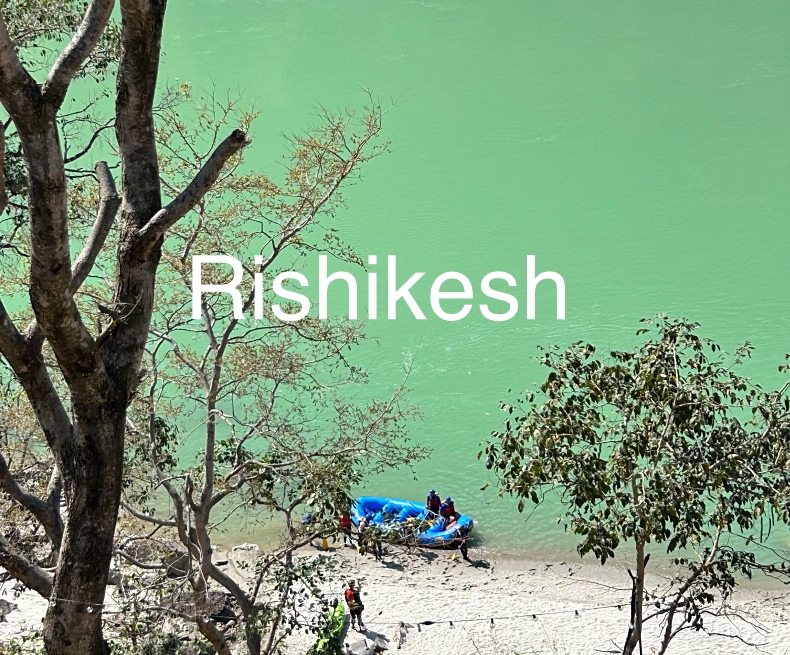
Delhi to Rishikesh in 3 Hours
At the moment, the rapid rail operates between Sarai Kale Khan and Modipuram. The proposed extension would move beyond Meerut, connecting growing urban and semi-urban pockets like Muzaffarnagar and Roorkee, before reaching Rishikesh .. a city that blends spirituality with adventure.
If approved, this corridor could cut travel time between Delhi and Rishikesh down to just about two-and-a-half to three hours, turning what is now a long journey into a quick, comfortable ride.
A Shift in How We Travel
The real change lies in how this could redefine travel habits. With faster access, destinations like Haridwar and Rishikesh may see more than just seasonal tourism. Weekend getaways could become frequent, spontaneous, and far more accessible.
There’s also a lifestyle shift waiting to unfold. As connectivity improves, travellers may start choosing longer stays, exploring homestays and rental villas, or even investing in second homes near the hills. Cities like Muzaffarnagar could see industrial growth, while Roorkee home to IIT Roorkee may witness rising demand for student housing and co-living spaces.
Not Without Its Challenges
While the vision is ambitious, the road ahead is complex. Parts of the proposed alignment pass near Rajaji National Park, making environmental clearances a crucial hurdle. Land acquisition along the corridor is another concern, especially with rising real estate prices.
Closer to Rishikesh, the terrain itself becomes more demanding, likely requiring elevated tracks or tunnels adding to both cost and construction complexity.
The Bigger Picture
For now, the project remains in the proposal stage, awaiting approvals and coordination between multiple authorities. But even as an idea, it reflects a larger shift — one where travel is becoming faster, easier, and more integrated into everyday life.
If this becomes reality, Rishikesh won’t feel like a distant retreat anymore. It will feel closer, more spontaneous, and within reach — not just for long holidays, but even for a quick escape when the mountains call.